
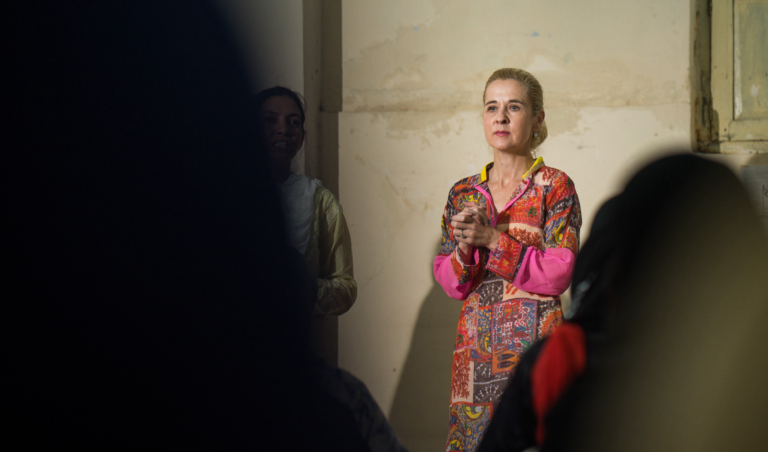
Elca Grobler founded My Choices Foundation in Hyderabad, India to stop domestic violence and end sex trafficking in India.
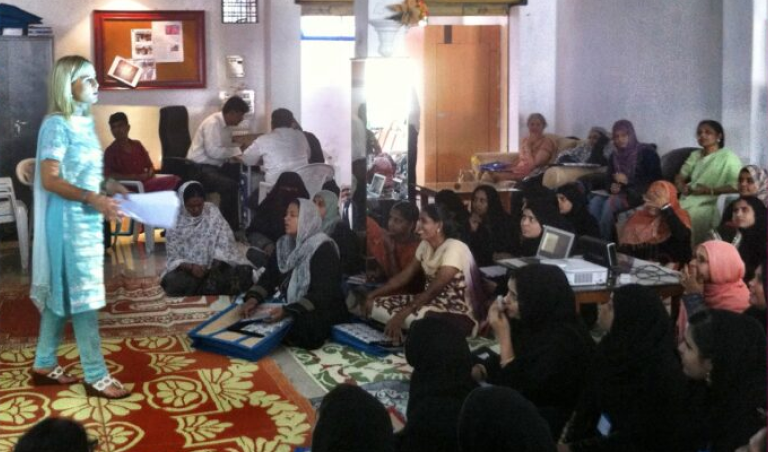
We opened our first Operation PeaceMaker counselling centre for the survivors of domestic violence at Falaknuma of Hyderabad; the event was marked with training the PeaceMakers as first responders to domestic violence in vulnerable communities.
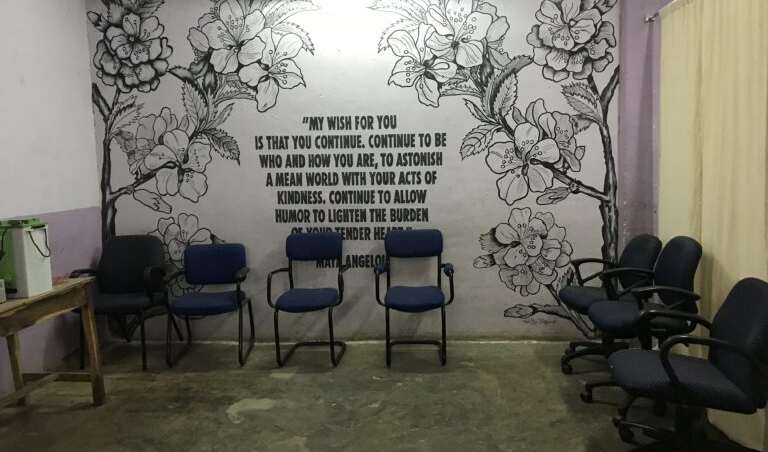
Two more counselling centres for the survivors of domestic violence were opened at Lakdikapul and Golconda, Hyderabad.
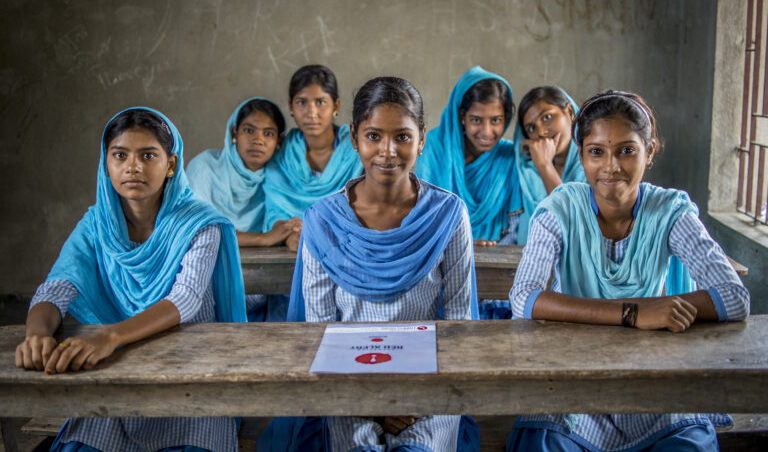
The operations of Operation Red Alert, the anti-sex trafficking wing of My Choices Foundation, began with a strong foundation in evidence-based strategies. This included commissioning an 18-month in-depth behavioural research study to understand the contextual factors that drive men to sell or force young girls into trafficking or buy girls for sexual exploitation (rape).
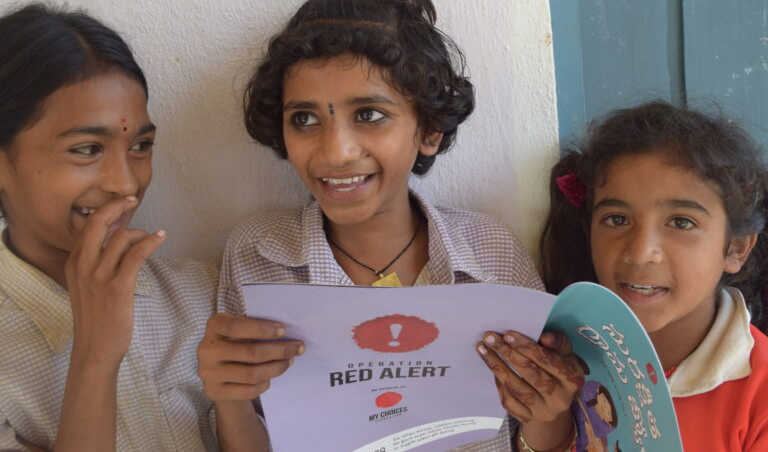
We rolled out our flagship Safe Village Program and launched India’s first national anti-human trafficking toll-free helpline 1800 419 8588.
The Telangana State Police Department designated OPM as a Nodal counselling centre for all domestic violence cases for the North Zone and South Zone divisions.
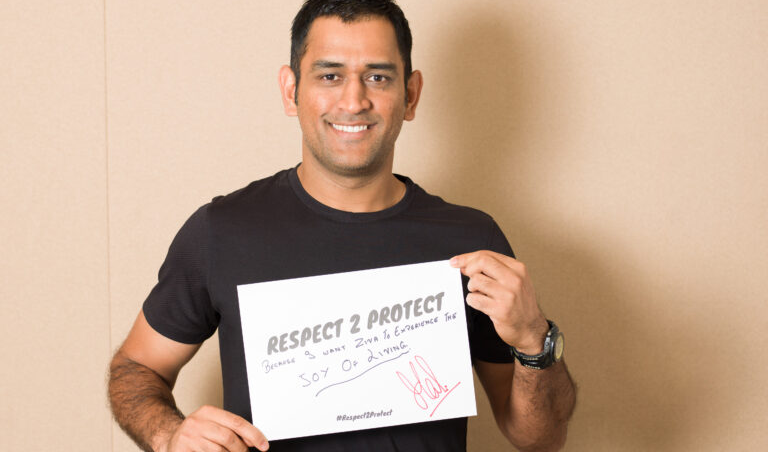
Led by the Indian cricketers, we launched the Respect2Protect mass media campaign to encourage men and boys to respect women and girls and, to protect them. MS Dhoni, Virat Kohli and other members of the then-Indian Cricket Team pledged their solidarity.
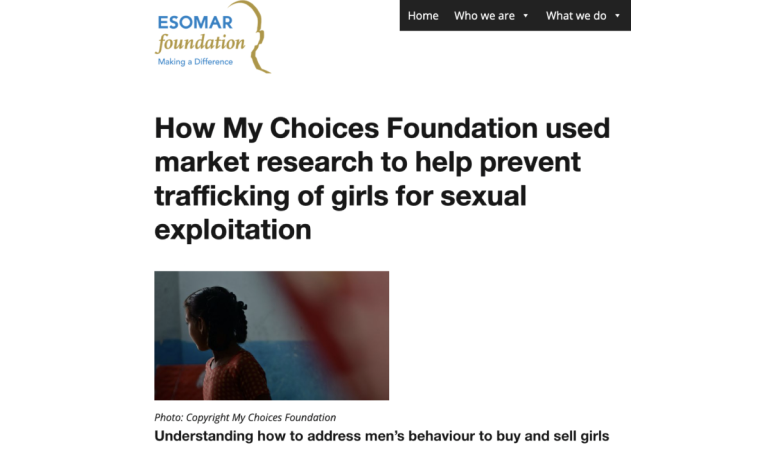
We won the most prestigious market research award from the ESOMAR Foundation for our report on understanding how to address men’s behaviour to buy and sell girls, understand decision-making in at-risk families and identify levers that will make the fathers and mothers protect their girl children.
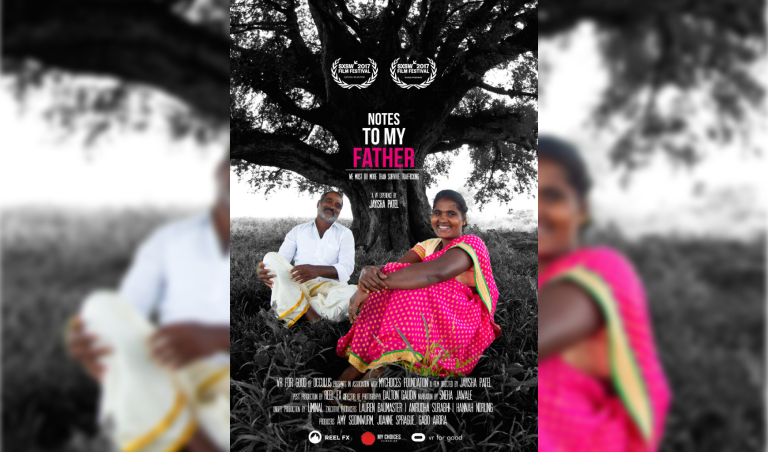
Notes to My Father, the world’s first live capture virtual reality (VR) documentary on sex trafficking was created in partnership with Oculus’ Facebook initiative VR for Good and has been screened in more than 30 festivals worldwide.
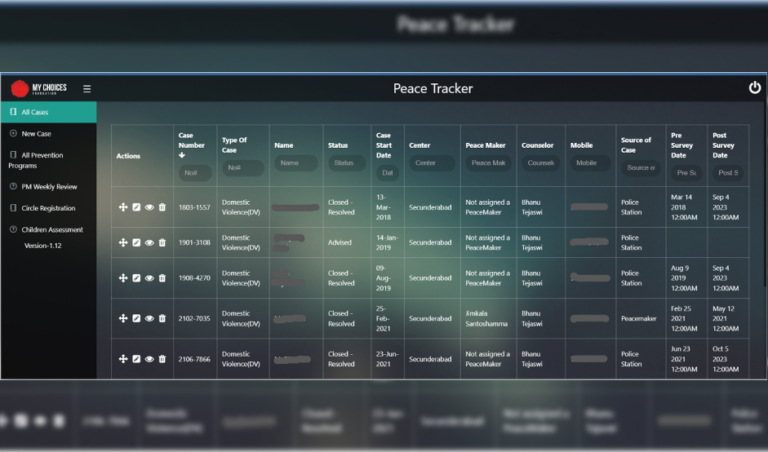
Two custom data management systems were implemented; PeaceTracker to capture the information about clients of OPM and the SafeTracker for the work of the Safe Village Program.
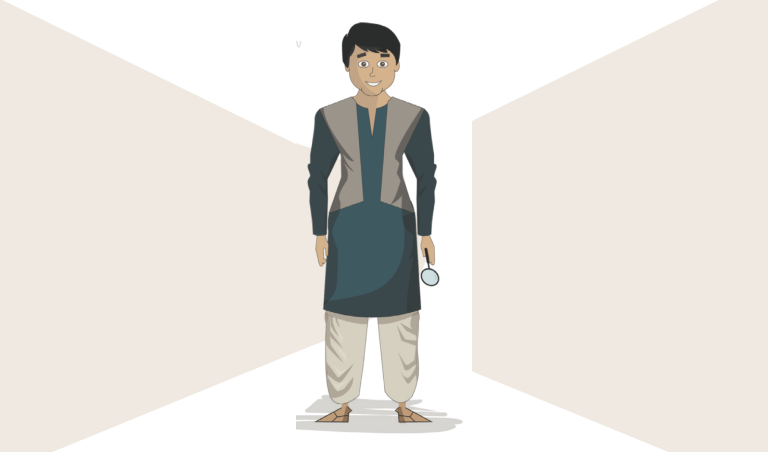
Rakshaks (Grassroot volunteers in the villages), the vigilante of the village, was introduced to ensure the sustainability of the Safe Village Program.
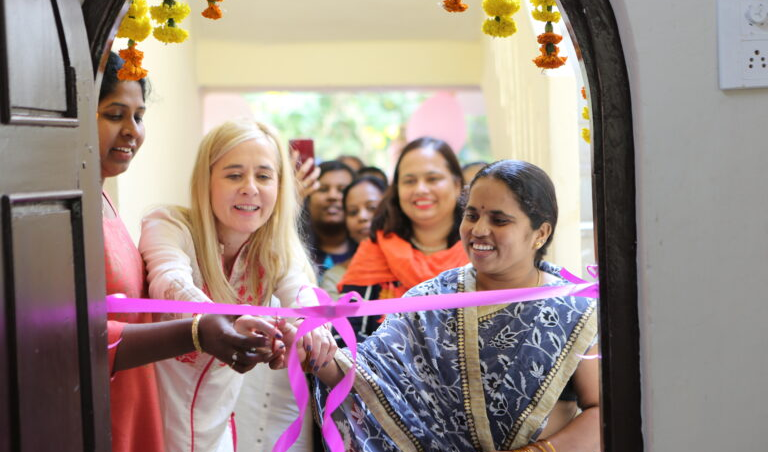
The Lotus Safe Home opened its doors as a sanctuary for women and children escaping abusive homes, offering them immediate safety, shelter, and a place to heal. Beyond providing a secure environment, it serves as a beacon of hope where survivors can access counselling, legal aid, vocational training and emotional support, empowering them to rebuild their lives with dignity and strength.
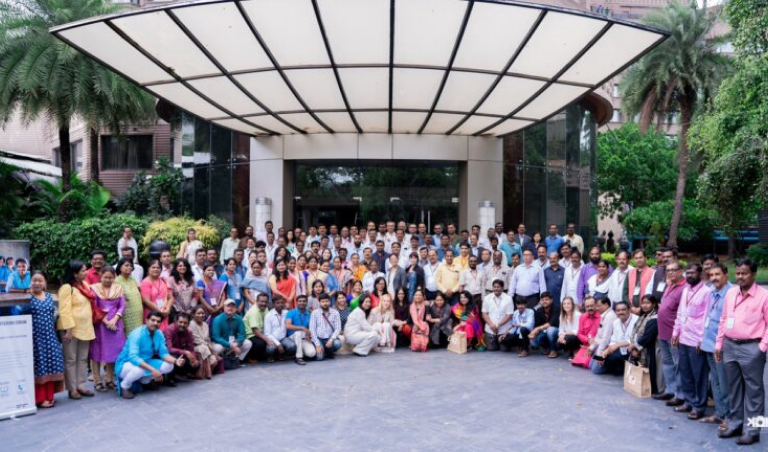
We hosted our first Asian Anti-Trafficking Forum (AATF), bringing together experts, advocates, and policymakers from across India to tackle the pressing issue of sex trafficking.
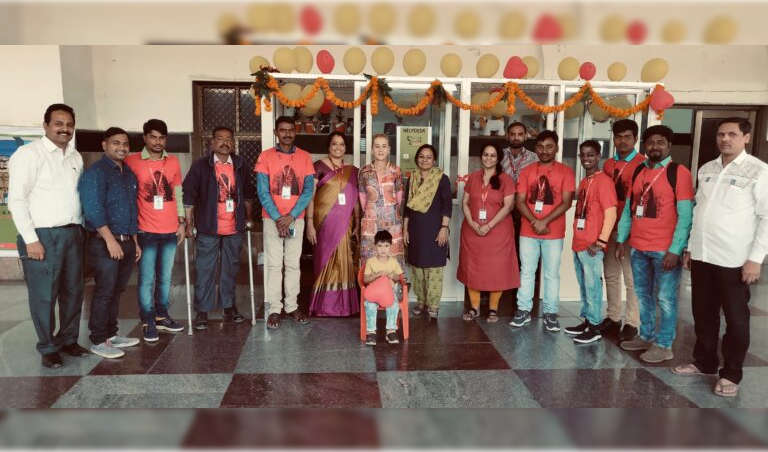
My Choices Foundation was chosen by CHILDLINE India Foundation to run the 24- hour operational CHILDLINE 1098 help desk at Nampally Railway Station, Hyderabad.
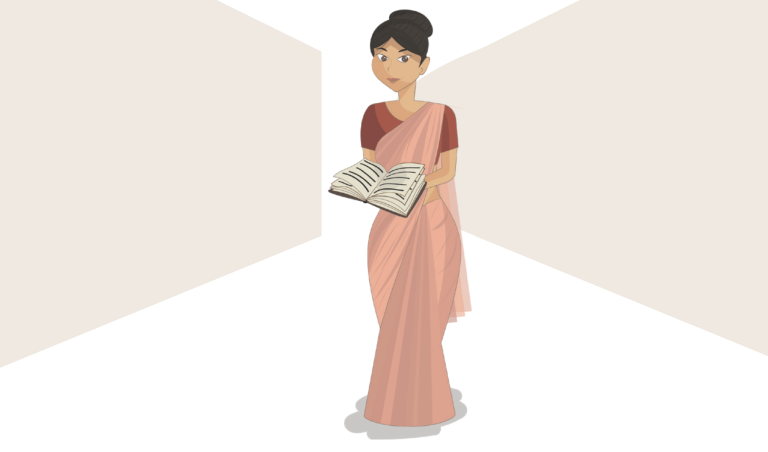
The Safe Village Program is enhanced by the involvement of Nodal Teachers (Protectors) and Gram Mitras (Friends of the village) to sustain the programme’s impact.
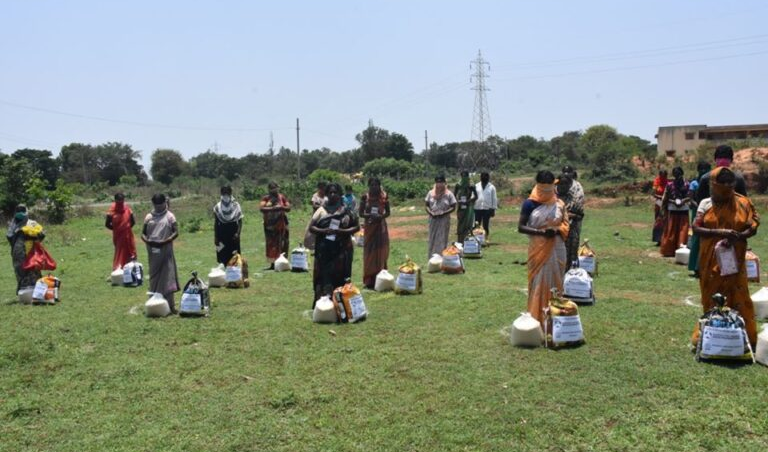
MCF deepened community interventions in response to the COVID-19 pandemic to address the increasing domestic violence and trafficking cases. Also, we provided essential supplies to more than 13,000 people, impacting 5,169 families hit by COVID-19.
In partnership with the State of Telangana Police Women Safety Wing, we developed online counselling protocols for survivors of domestic violence on Dial 100 and launched Empowerment Programmes for Anti-Human Trafficking Units.
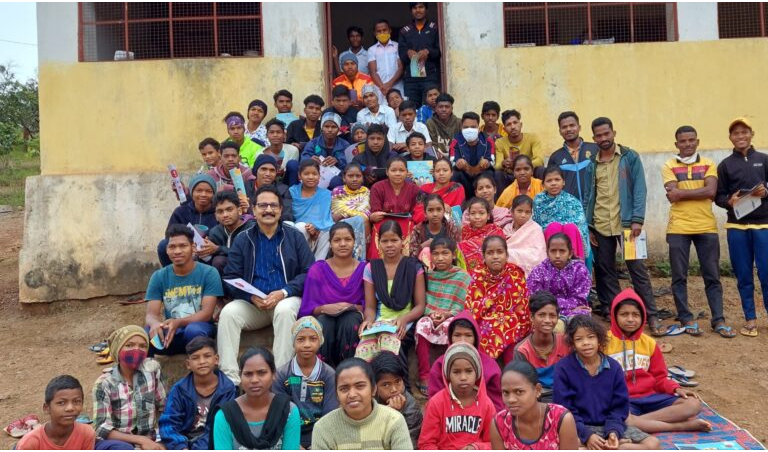
We held our first Safe Village Program in Chhattisgarh and Odisha, making us active in 10 states.
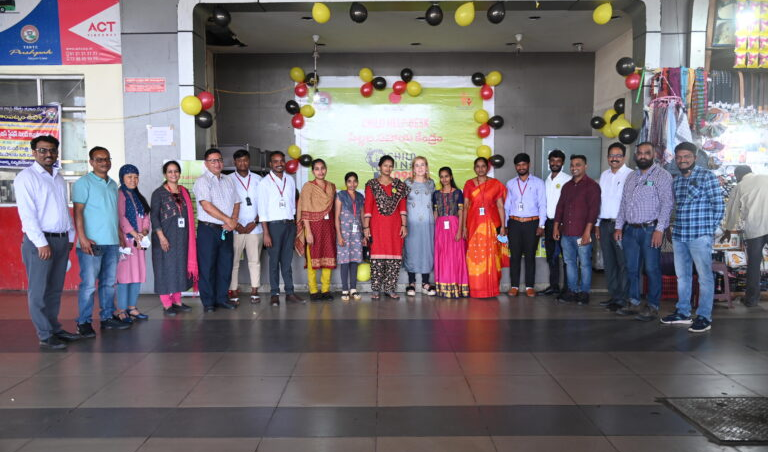
We started the 24x7 Child Help Desk at Mahatma Gandhi Bus Station with the support of ChildLine India Foundation, Women Development and Child Welfare and the Telangana State Road Transport Corporation.
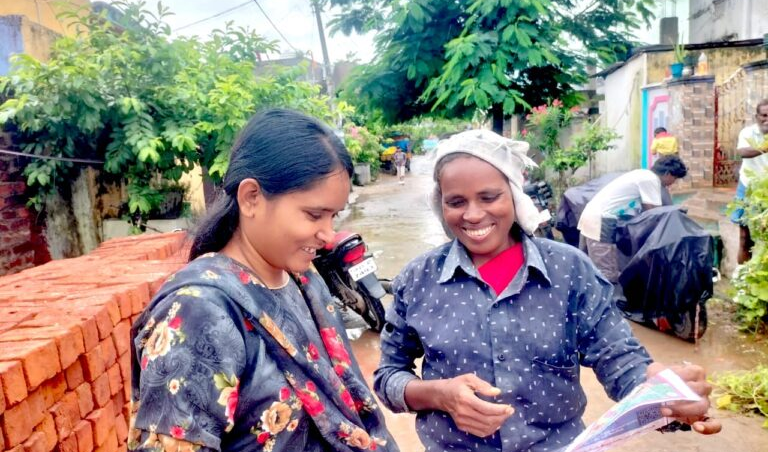
OPM has integrated the evidence-informed and internationally recognised SASA! Together approach to drive positive and sustainable change in social norms that perpetuate violence against women. This approach incorporates a gender-power analysis, a structured four-phase process for change, holistic community engagement and benefits-based activism.
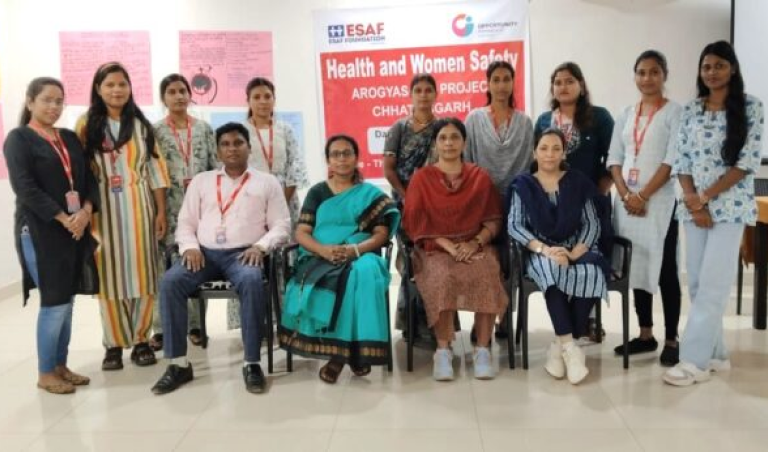
OPM was chosen as a technical expert partner by a large microfinance organisation, ESAF Foundation to conduct gender sensitisation and domestic violence awareness sessions for Arogyasakhis (friends of health) on the correlation between violence and women’s health issues.
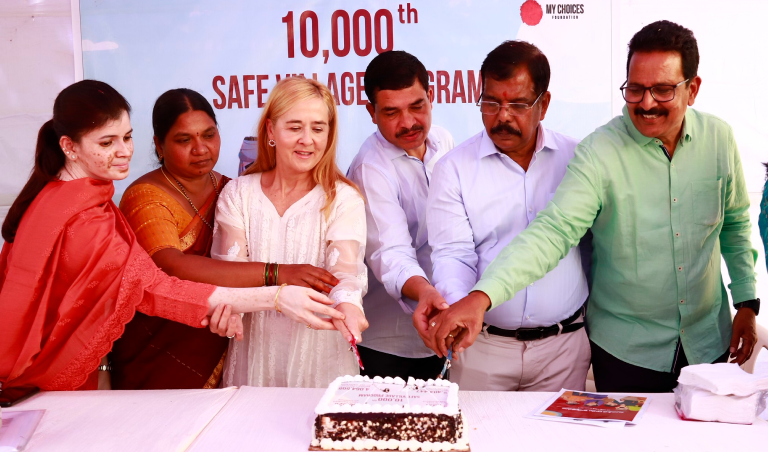
Operation Red Alert crossed a monumental threshold in 2025. 10,000 Safe Village Programs have been conducted since our inception and over 4 million people have been reached.
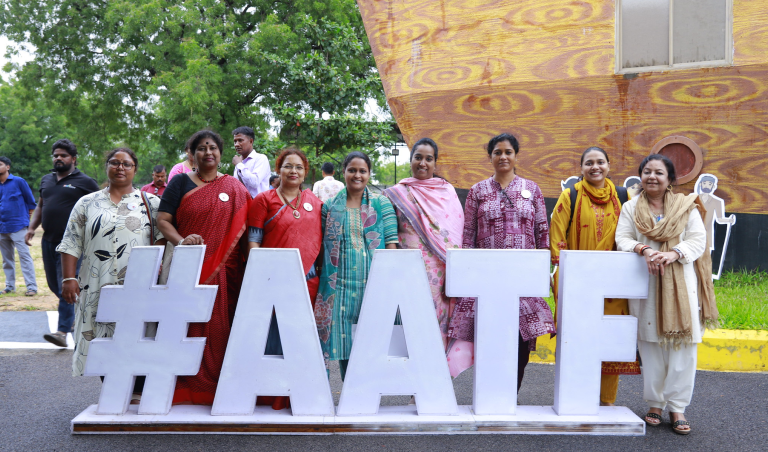
We convened the 7th Asian Anti-Trafficking Forum (AATF), uniting practitioners to protect every child. Furthermore, our partnership with the Anti-Human Trafficking Units (AHTU) has solidified, ensuring that when a village reports a threat, the system responds with speed and authority.